
How to Choose the Right Front-Load Dumpster Size for Your Business
Managing commercial waste effectively is crucial to running a smooth operation. For most commercial locations in the Atlanta area, that means investing in a reliable front-load dumpster. Business owners must consider their weekly trash volume, available space, and budget. Choosing a container that’s too small can lead to overflow and expensive extra pickup fees. Conversely, selecting one that’s too large means you’re paying for space you don’t actually need.
Below, we’ll walk you through everything you need to know about front-load dumpster sizes and rental options to help keep your property looking its best.
What is a front-load dumpster?
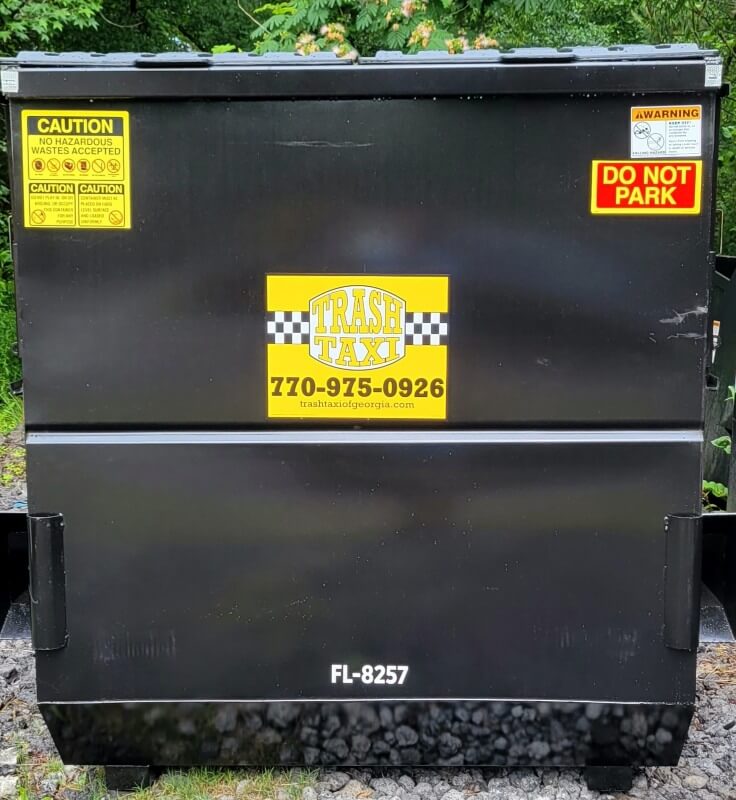
A front-load dumpster is a permanent waste container designed for regular commercial use. It features a slanted top with easily accessible lids, allowing employees to toss bags inside safely. When it’s time for collection, a specialized garbage truck inserts two mechanical prongs into the dumpster’s side slots. The truck lifts the container over the cab and empties the contents into its hopper.
You’ll find these containers tucked behind nearly every commercial building. Restaurants use them for food waste and packaging. Retail stores rely on them for cardboard boxes and daily trash. Office buildings, apartment complexes, and medical facilities all use them to maintain a clean, sanitary environment.
Differences Between Front-Load and Roll-Off Dumpsters
Roll-off dumpsters are large, open-top containers typically used for temporary projects such as construction, remodeling, or major landscaping. They’re measured up to 40 yards and require a special truck to roll them on and off the property. Front-load containers are much smaller, stay on your property permanently, and are emptied on a recurring weekly schedule.
Front-Load Dumpster Sizes Explained
Dumpster capacity is measured in cubic yards. One cubic yard is roughly 3 ft. long by 3 ft. wide by 3 ft. high. Selecting the right size ensures you handle your weekly waste without paying for unnecessary capacity.
- 2-Yard Dumpsters – A 2-yard container is the smallest standard option, measuring approximately 3 ft. high, 3 ft. long, and 6 ft. wide. It holds up to 400 pounds of trash, roughly equivalent to 12 standard garbage bags. This size is ideal for small businesses, boutique retail shops, and offices with up to 25 employees.
- 4-Yard Dumpsters – Measuring roughly 4 ft. by 4.5 ft. by 6 ft., a 4-yard container holds up to 800 pounds of waste. This is an excellent middle-ground option for medium-sized businesses, small restaurants, convenience stores, clinics, and offices with 50 to 100 employees.
- 6-Yard Dumpsters – A 6-yard container measures about 6 ft. high, 4.5 feet long, and 6 ft. wide. It can easily accommodate up to 1,200 pounds of garbage. This size is ideal for medium- to large-sized businesses, busy restaurants, and office buildings that support up to 250 employees.
- 8-Yard Dumpsters – The 8-yard container is the largest standard option. At 6 ft. high, 6 ft. long, and 6 ft. wide, it can handle up to 1,800 pounds of waste. This massive capacity serves large retail centers, busy apartment complexes, and enterprise offices with up to 500 employees.
What Size Dumpster Is Right for My Business?
Figuring out the exact capacity you need requires a brief audit of your current operations. Consider the following factors before signing an agreement:
- Type of Business and Waste Generated – A small accounting firm will generate drastically different waste than a fast-food restaurant of the same size. Food service businesses often produce heavy, dense waste, while retail stores generate bulky but lightweight cardboard. Analyze what you throw away the most to gauge your volume accurately.
- Volume of Weekly Trash – Monitor your current trash output for a week. Count how many standard garbage bags you throw away daily and multiply that by the number of days you operate. Compare that total to the bag capacities listed in the size guide above.
- Space and Enclosure Limitations – You must physically measure the space where your container will sit. If your city requires a dumpster enclosure, ensure the interior dimensions can comfortably fit your chosen size while allowing the gates to open fully. The collection truck also needs adequate overhead clearance and a clear path to safely access the container.
Why Pickup Frequency Matters
Size is only half of the waste management equation. The frequency of your collection service plays a massive role in keeping your property clean. Most small businesses operate smoothly with a single weekly pickup. However, if you run a restaurant or a busy retail store, food waste can quickly cause bad odors, and cardboard can pile up fast. In these cases, scheduling two or three pickups per week is a better strategy than renting a single massive container.
An overflowing container looks unprofessional, attracts pests, and poses a safety hazard to your employees. Adjust your pickup frequency proactively if you notice your bins getting too full before collection day.
How to Get a Dumpster for a Business
Setting up a new waste management service is straightforward if you know what steps to follow. Here’s how to get a dumpster for your business:
- Choose a Front load Dumpster Rental Provider – Start by researching local haulers that service your area. Compare monthly rates, but also pay close attention to any hidden fees for overages, fuel surcharges, or environmental compliance. Our team at Trash Taxi of Georgia can help you decide which plan works for your needs and budget.
- Permits or Local Compliance Requirements – You might need a permit to place a commercial waste container on your property, especially if it sits near a public sidewalk or alleyway. Check with your city government to ensure you comply with all health and safety regulations.
- Delivery, Placement, and Ongoing Service – Coordinate a delivery date with your new waste management provider. Make sure the drop-off location is completely clear of vehicles or debris. Once the container is in place, educate your employees on proper disposal methods to keep the area clean and safe.
Final Tips for Choosing the Right Commercial Dumpster
Right-sizing your container from the beginning helps you avoid extra costs. If you’re ever unsure, it’s generally safer to choose a slightly larger size to prevent expensive overflow fees. As your operations expand, plan for business growth by reevaluating your waste output annually. You can always negotiate a different size or pickup frequency when your contract is up for renewal. If you’re ready to streamline your commercial waste strategy, contact Trash Taxi of Georgia today to get a customized quote for your business.