
What You Can (and Can’t) Throw in a Dumpster: A Simple Guide
Learn What Can Go in a Dumpster
Keeping a project site clean starts with knowing which materials belong in a dumpster and which items need special handling. The right information helps you plan your cleanup, avoid delays, and make the most of your rental. Trash Taxi of Georgia helps customers in Acworth & Dallas understand what can go into a dumpster so home cleanouts, renovations, and construction stay organized from start to finish. This blog covers common dumpster rental rules, accepted materials, and important disposal guidelines so you can load your dumpster with confidence and keep your project moving forward.
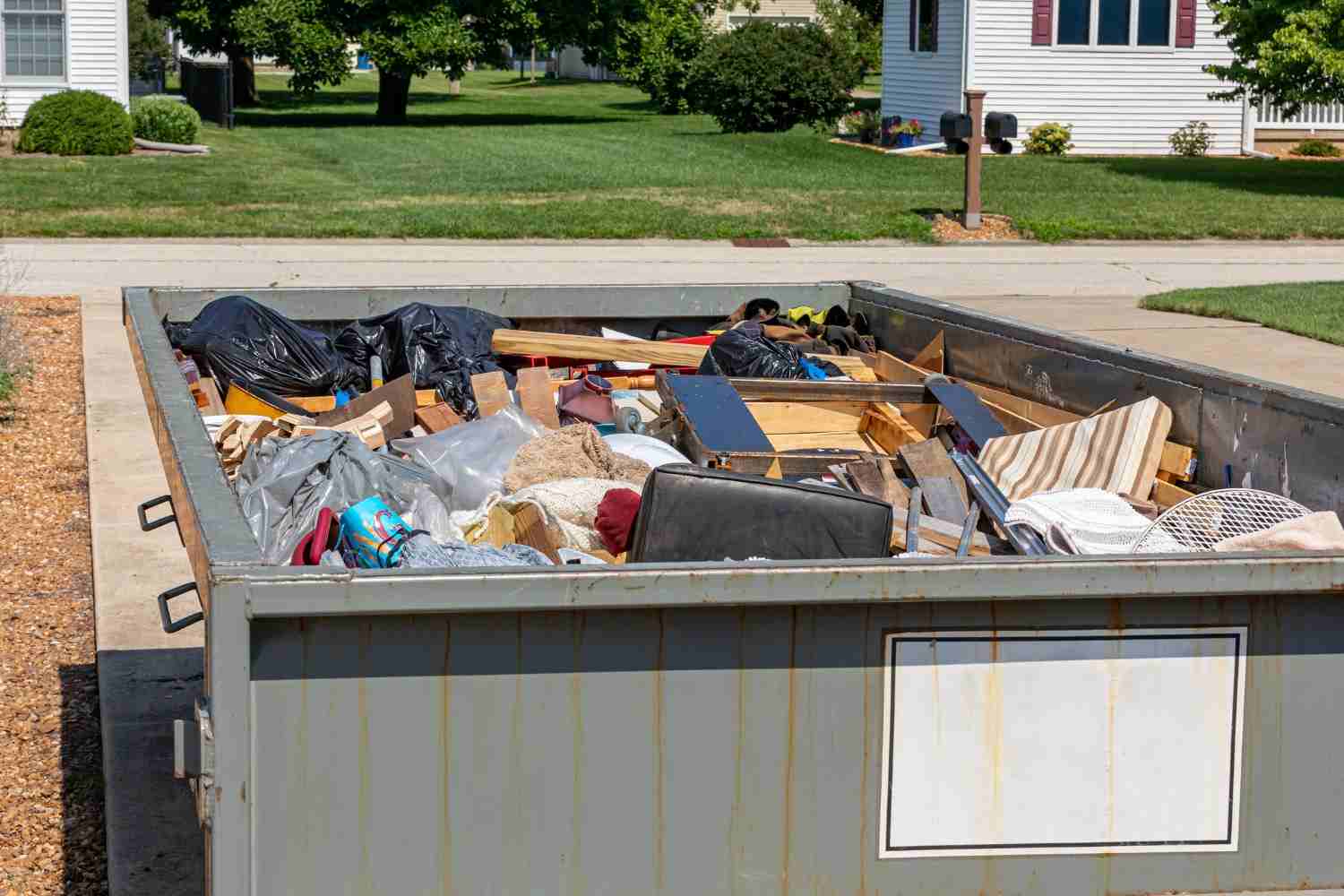
Why Knowing Dumpster Rules Before You Start Matters
Understanding dumpster rules and regulations before your dumpster arrives helps you choose the right materials for disposal, load the container properly, and keep your project on schedule. Every community has specific waste-handling requirements, and these guidelines support safe transportation and responsible disposal practices. Clear knowledge of accepted items also makes it easier to estimate the space you need and avoid interruptions during your rental period. A few minutes spent reviewing the rules can save time, simplify the process, and help you get the best value from your dumpster rental service.
Common Household Items You Can Throw in a Dumpster
Many customers ask what can go in a dumpster when planning a cleanout, move, renovation, or decluttering project. Most everyday household materials are accepted, which makes dumpster rentals a convenient option for clearing unwanted items from your property. The examples below cover some of the most common items that are typically suitable for disposal in a dumpster:
- Furniture – Old couches, chairs, tables, and dressers are common dumpster items during home cleanouts. These bulky pieces take up valuable space in garages, basements, and spare rooms, making disposal a practical choice.
- Household Junk – General clutter from closets, storage areas, and living spaces can usually be placed in a dumpster. Boxes, toys, decorations, and other unwanted belongings often fit well within standard disposal guidelines.
- Mattresses and Box Springs – Many homeowners use a dumpster to remove old bedding during renovations or room updates. These items are easier to handle when placed directly into a dumpster rather than being moved multiple times.
- Carpet and Flooring Materials – Carpet, padding, laminate flooring, and similar materials are commonly discarded during remodeling projects. Cutting larger materials into manageable sections can help maximize dumpster space.
Construction and Renovation Debris That’s Usually Accepted
Remodeling projects create a variety of materials that need a convenient place for disposal. Dumpsters help keep work areas organized while providing a central location for debris generated during demolition, repairs, and upgrades. Many construction materials are accepted, making dumpster rentals a practical solution. Here are materials that are commonly placed in dumpsters during renovation and construction work:
- Drywall – Drywall from room renovations, repairs, and demolition projects is often accepted in dumpsters. Smaller pieces are easier to load and help make better use of available container space.
- Lumber and Wood Trim – Wood scraps, framing materials, and trim pieces are common job site waste. These materials can be collected in one location to support a cleaner work area.
- Roofing Shingles – Roof replacement projects generate a large amount of shingle debris. A dumpster provides a convenient option for containing and removing these materials from the property.
- Tile and Flooring Materials – Old tile, laminate, vinyl flooring, and related materials are frequently discarded during renovations. Properly removing them helps keep crews productive and workspaces clear.
- Insulation Materials – Insulation removed during remodeling can usually be placed in a dumpster. Proper disposal helps keep the job site tidy and easier to manage from start to finish.
Yard Waste and Outdoor Materials: What Makes the Cut?
Dumpsters provide a convenient way to organize yard work, landscaping projects, and outdoor cleanups. Many natural and project-related materials are generally accepted, making disposal easier for homeowners tackling seasonal maintenance or larger property improvements. The items below represent some of the most common yard waste and outdoor materials that can typically go in a dumpster:
- Tree Branches and Limbs – Tree branches and limbs are commonly accepted. Cutting larger pieces into smaller sections can help maximize available dumpster space.
- Leaves and Plant Debris – Leaves, weeds, bushes, and other organic yard materials are often suitable for disposal. These materials can accumulate quickly after seasonal landscaping.
- Fencing Materials – Old wood fencing and broken fence sections are often discarded during property upgrades. A dumpster keeps these bulky materials contained until pickup.
- Deck Boards and Outdoor Lumber – Damaged deck boards and weathered outdoor lumber are commonly removed during renovation projects. Disposal in a dumpster helps maintain a cleaner and safer work area.
- Garden Cleanup Debris – Spent plants, garden trimmings, and seasonal cleanup materials are often suitable for disposal. A dumpster makes it easier to handle larger garden refresh projects.
Items You Should Never Throw in a Dumpster
Knowing what cannot go in a dumpster is an important part of any successful cleanup or renovation project. Certain materials require special handling due to local, state, and disposal-facility requirements. Keeping restricted items out of your dumpster helps prevent service delays, supports safe transportation, and ensures materials are managed through the proper disposal channels. Before loading a container, take a few moments to review a few prohibited items so your project stays organized and your dumpster rental experience remains simple and efficient:
- Paints, Stains, and Solvents – Liquid paints, stains, and solvents often require specialized disposal methods. Many communities offer designated collection programs for these materials.
- Motor Oil and Automotive Fluids – Motor oil, antifreeze, brake fluid, and similar products should be handled through approved disposal facilities. These materials require specific management procedures to support environmental safety.
- Batteries – Household, automobile, and rechargeable batteries are commonly restricted from dumpster disposal. Many retailers and local collection programs accept batteries for proper processing.
- Tires – Tires are usually subject to separate disposal requirements. Specialized recycling and handling programs are available for tire disposal in many areas.
- Pesticides and Chemicals – Lawn chemicals, pesticides, and similar products should be taken to approved collection locations. Proper handling helps ensure that these materials are managed in accordance with applicable regulations.
Electronics and Appliances: Can They Go in a Dumpster?
Electronics and appliances often require specific procedures depending on the item. Televisions, computers, printers, and AC units may have special disposal guidelines due to the components they contain. Some appliances require preparation before they can be accepted for disposal. Local regulations and disposal facility requirements can also affect how these items are handled. Reviewing the rules before loading your dumpster can help keep your project organized and avoid delays. If you’re unsure about a specific item, reach out to professionals for help. We can provide guidance and help you determine the proper disposal solution.
Understanding Weight Limits and Restricted Heavy Materials
Weight limits apply to every dumpster rental. Some materials are heavier than they appear, so planning is a smart step before loading your container. Concrete, brick, dirt, gravel, stone, and asphalt can add substantial weight in a short amount of time. Choosing the right dumpster for these materials helps support safe transportation and efficient disposal. Reviewing weight guidelines before your project starts can make loading easier and help keep your cleanup running.
How to Load a Dumpster Properly and Stay Compliant
Proper loading helps you get the most value from your dumpster rental while supporting safe pickup and transportation. Start by placing flat, heavy items along the bottom of the container to create a stable foundation. Spread materials evenly throughout the dumpster to help balance the load and maximize available space. Keep debris inside the container walls and below the fill line so the contents can be transported safely. Review accepted materials before loading and set aside any items that require special disposal. Following these simple dumpster rental rules can help keep your project organized, improve efficiency, and ensure your dumpster is ready for quick pickup when the job is complete.
Take Advantage of Our Dumpster Disposal Guide
A successful cleanup starts with knowing the rules and choosing the right disposal solution for your project. Understanding what can go in a dumpster helps you plan, use your container efficiently, and keep your property organized. Trash Taxi of Georgia provides fast, dependable service backed by friendly local professionals who care about your experience. Our bright yellow trucks are easy to spot, and our team is always ready to answer questions about acceptable materials, weight limits, and rental guidelines. Contact us today to schedule your dumpster rental in Acworth & Dallas to enjoy a smooth, stress-free cleanup.
Dumpster Disposal Guide FAQs
What Household Items Can Typically Be Thrown Into a Dumpster?
Many common household items can typically be placed in a dumpster, including furniture, mattresses, carpeting, boxes, toys, clothing, and general household clutter. Home cleanouts, moving projects, and renovation work often generate these materials, making a dumpster a convenient disposal solution.
Can I Throw Paint Cans and Chemicals in a Dumpster?
Paint cans containing liquid paint, along with chemicals such as solvents, pesticides, and automotive fluids, usually require special disposal methods. Local regulations and disposal facility requirements often apply to these materials, so it is best to confirm proper handling procedures before disposal.
Are Appliances Allowed in a Dumpster?
Some appliances may be accepted, while others require special preparation before disposal. Refrigerators, freezers, air conditioning units, and similar equipment may contain regulated components that must be removed before the appliance can be properly disposed of.
Can I Dispose of Electronics in a Dumpster?
Electronics such as televisions, computers, printers, and monitors often have specific disposal requirements. Many communities offer dedicated collection programs or approved facilities that handle electronic waste in accordance with local guidelines.
What Happens If I Put Prohibited Items in My Dumpster?
Placing prohibited items in a dumpster can lead to service delays and may require the materials to be removed before pickup. Following disposal guidelines helps support safe transportation, proper waste handling, and a smoother dumpster rental experience from start to finish.