
The Ultimate Dumpster Rental Checklist for Homeowners and Contractors
Take Advantage of Our Dumpster Rental Checklist
Big projects create a lot of waste, and having a clear plan helps keep everything on track. Ensuring you have the right dumpster can save time and keep your property organized. This guide covers the key steps to take before scheduling service, choosing a container size, and preparing for delivery. Our team provides a dependable dumpster rental checklist for property owners in Acworth & Dallas, helping homeowners and contractors make informed decisions before a dumpster arrives. Keep reading to learn more.
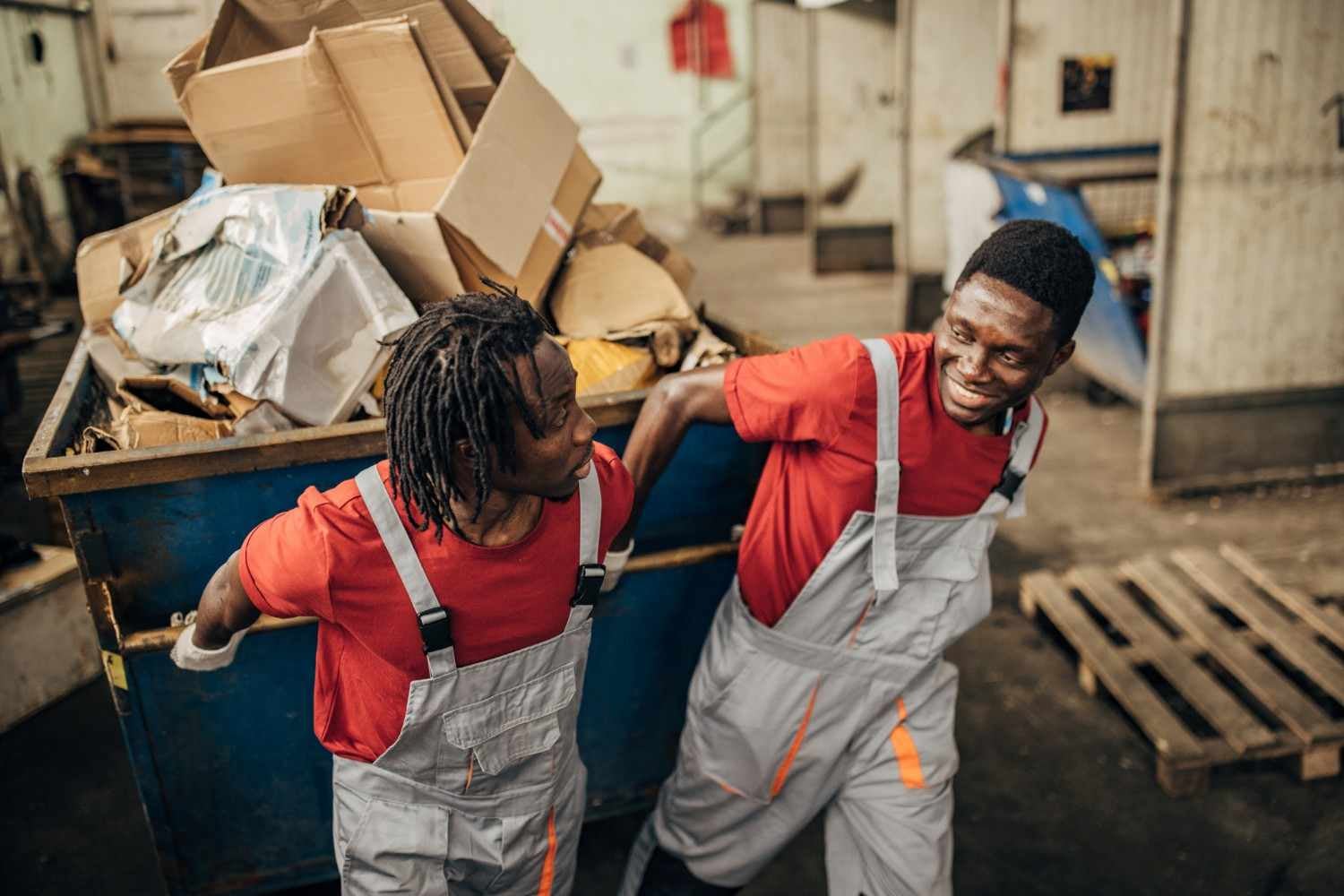
Why Every Successful Project Starts With a Dumpster Rental Plan
A well-organized waste removal strategy helps projects stay efficient from the first day to the final cleanup. Homeowners clearing out a property and contractors managing a job site benefit from setting expectations before debris piles up. A solid dumpster rental guide helps determine the right container size, placement, rental period, and types of materials to be removed. Planning also supports smoother scheduling and better use of available space. With a clear dumpster rental plan in place, project teams can focus on the work at hand while keeping property clean, organized, and ready for progress.
Identifying the Type and Scope of Your Project
Every dumpster rental plan should start with a clear understanding of the work ahead. The amount of debris from a roofing project differs greatly from a home cleanout, renovation, or construction job. Taking time to define the project’s scope helps determine the right container size, rental period, and placement location. This step can also improve scheduling and site organization. Before you rent a dumpster, create a list of the materials expected during the project and estimate the waste volume. A well-defined plan helps keep work areas cleaner, supports steady progress, and makes disposal more efficient from start to finish.
Choose the Right Dumpster Size
Selecting the right dumpster size helps keep your project running. As mentioned, every job creates a different amount of debris, so it’s important to match the container to the scope of the work. A garage cleanout may require less space than a major renovation or construction project. Taking time to estimate waste volume can improve efficiency and make disposal easier. The right-sized dumpster provides ample space for debris, supports a cleaner work site, and helps homeowners and contractors stay on schedule throughout the project.
Know What Can and Cannot Go in the Dumpster
Most home renovation projects, cleanouts, and construction jobs create materials that can go directly into a dumpster. Common items include furniture, drywall, flooring, wood, yard debris, and general household junk. However, a few materials require special handling due to local disposal requirements. Reviewing accepted and restricted items before loading helps keep your project moving and supports safe waste disposal practices. The list below highlights what cannot go in your rented dumpster:
- Paint, Solvents, and Chemicals – These materials require special disposal methods because they can affect waste handling processes. Local collection programs often provide safe options for these items.
- Motor Oil, Gasoline, and Other Automotive Fluids – Automotive liquids need proper containment and disposal through approved facilities. These materials should never be mixed with general project debris.
- Batteries and Electronics – Many batteries and electronic devices contain components that require specialized processing. Separate disposal programs help manage these materials safely.
- Tires – Tires are handled through dedicated recycling and disposal channels. Most landfill facilities do not accept them in standard dumpster loads.
- Hazardous or Regulated Materials – Items such as asbestos, medical waste, and certain industrial products follow strict disposal requirements. Special arrangements are necessary for proper handling and transportation.
Prepare the Drop-Off Location
A little preparation before delivery day can go a long way. Choose a flat, stable area that gives the dumpster plenty of space and allows easy access throughout the rental period. Driveways and other paved surfaces are popular choices when they provide enough room for safe placement. This step is especially valuable for dumpster rental for homeowners, since residential properties often have limited space. Move vehicles, trailers, and other obstacles before the scheduled delivery. A clear drop-off location helps support quick placement, convenient loading, and a smoother cleanup process from start to finish.
Understand Rental Terms Before You Book
Taking a few minutes to review the rental terms before scheduling service can create a smooth experience. Important details often include the rental period, approved materials, weight limits, delivery arrangements, and pickup scheduling. A clear understanding of these guidelines helps you plan your cleanup timeline and use the dumpster efficiently. It’s also helpful to ask questions about project-specific needs before booking. Reviewing the details in advance supports better preparation, helps keep the job organized, and allows homeowners and contractors to select the dumpster rental option that best fits their goals.
Create a Smart Loading Strategy
Before you book a dumpster rental, plan out which materials will be removed first and whether they will be placed inside the container. Larger and heavier items often fit best along the bottom to create a stable foundation for lighter debris. Breaking down bulky items can also help free up valuable space. Consistent loading throughout the project helps maintain an organized work area and makes it easier to manage debris as the job progresses. A smart strategy supports better use of the dumpster and helps keep cleanup efforts on track.
Safety Tips for Homeowners and Contractors
Safety should always be part of your project plan when you rent a dumpster. A few precautions can help protect people, property, and equipment throughout the process. Taking a proactive approach to safety and supporting a more efficient project helps everyone on-site work with greater confidence from start to finish. Below, we’ve compiled a few safety tips for homeowners and contractors:
- Load Materials Evenly Throughout the Dumpster – Place debris across the container instead of concentrating everything in one area. Even weight distribution helps create a more stable load and supports safe transportation.
- Wear Proper Protective Equipment – Gloves, sturdy footwear, and safety glasses can help reduce the risk of injury during loading. Appropriate gear also makes handling construction materials and bulky items easier.
- Keep Children and Pets Away From the Dumpster Area – A designated safety zone helps reduce distractions and supports safer job site conditions. Clear boundaries can help everyone avoid unnecessary risks.
- Avoid Overfilling the Container – Materials should remain within the top edge of the dumpster. Proper loading helps ensure safe pickup and transportation.
Be Prepared to Rent a Dumpster
Using a detailed rental checklist can help you choose the right container, prepare your property, load materials efficiently, and keep your project organized from start to finish. Trash Taxi of Georgia delivers fast, dependable service backed by a local team that takes pride in helping customers complete projects with confidence. Our bright yellow trucks and friendly professionals make the process simple and convenient. If you want to learn more about our checklist or schedule your own rental, give our team a call.
Dumpster Rental FAQs
What Should I Know Before Renting a Dumpster?
Before renting a dumpster, you should identify the type of project, estimate the amount of debris, and select a container size that fits your needs. It is also helpful to review the rental terms, approved materials, delivery requirements, and the rental period to plan your project.
How Do I Choose the Right Dumpster Size for My Project?
The right dumpster size depends on the scope of your project and the amount of waste you expect to generate. Small cleanouts may require a smaller container, while major renovations, roofing work, and construction projects often benefit from larger dumpsters that can handle higher volumes of debris.
Where Should a Dumpster Be Placed?
A dumpster should be placed on a flat, stable surface that allows safe delivery and convenient access throughout the project. Driveways, parking areas, and other open spaces are common placement locations, provided there is enough room for the delivery truck to maneuver safely.
What Items Are Not Allowed in a Rental Dumpster?
Many rental dumpsters cannot accept hazardous or regulated materials such as paint, chemicals, motor oil, gasoline, batteries, asbestos, and medical waste. Tires and certain electronic devices may also require specialized disposal methods, so it is important to confirm which materials are accepted before loading the container.
How Far in Advance Should I Book a Dumpster Rental?
Booking a dumpster rental several days before your project begins is a good way to secure your preferred delivery date and container size. Advance scheduling also gives you time to prepare the drop-off location and coordinate other project activities before the dumpster arrives.