
What Happens to Waste After It Leaves Your Property
Out of Sight, but Not Out of the System: Where Your Waste Goes First
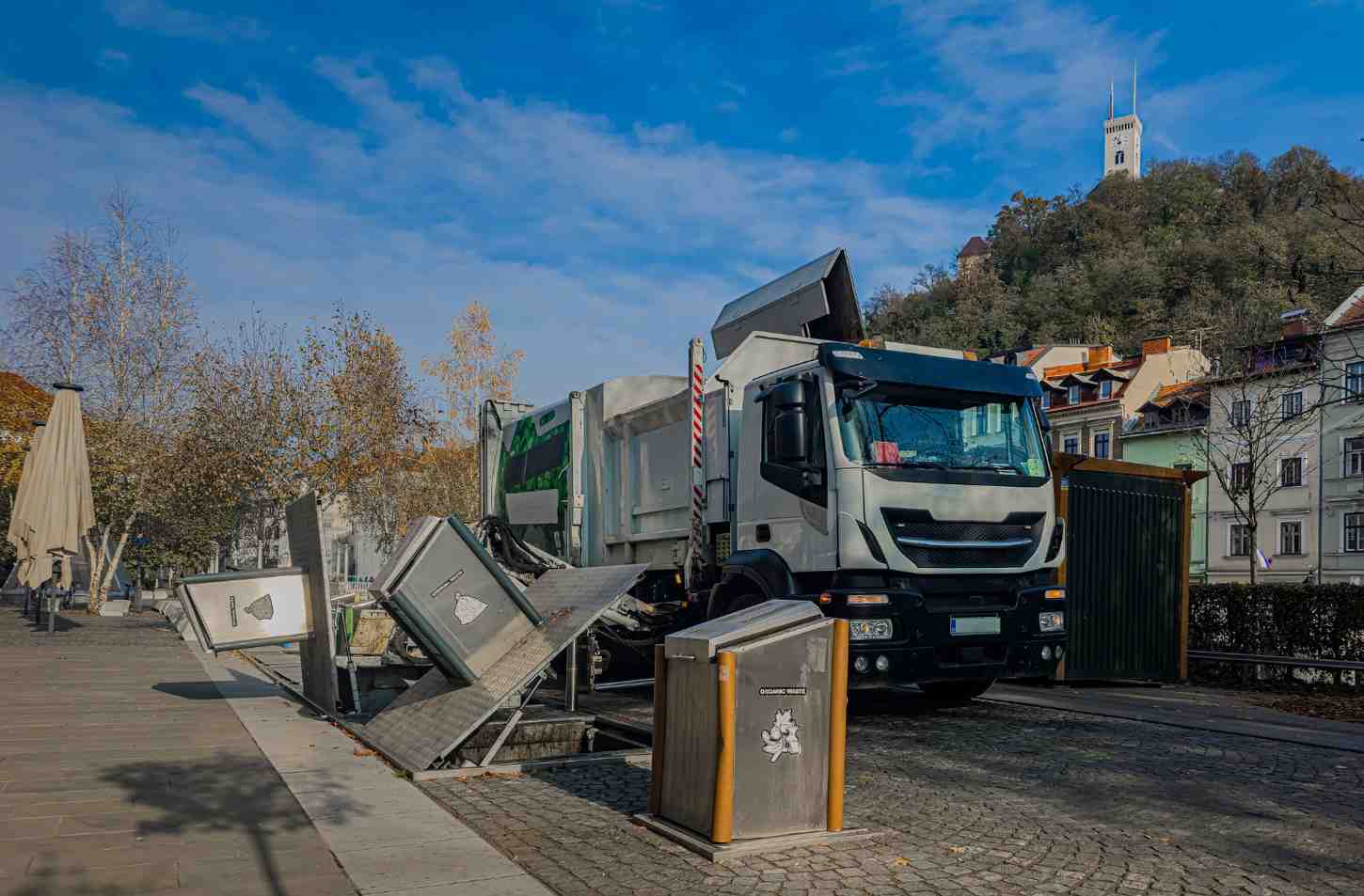
Do you ever wonder what happens with your trash after a service provider hauls it away from your property? Trash Taxi of Georgia is well-versed in the confusion that people experience when trying to figure out how their trash gets disposed of by collectors and dumpster rental companies. The waste disposal process in Acworth, Dallas, and other Georgia communities isn’t as complicated as you might fear. Once your dumpster is hauled away, it typically makes its first stop at a transfer station or sorting facility rather than heading straight to a landfill. There, workers and machinery separate recyclable materials like metal, wood, and cardboard from general waste. The remaining trash is then compacted and transported to a permitted landfill for final disposal. This sorting step helps reduce landfill volume and keeps recoverable materials out of the waste stream. The process ultimately benefits the environment and local disposal efficiency.
The Sorting Secret Most People Never See
Most Georgia residents never see what happens after their dumpster leaves the curb. However, a surprising amount of behind-the-scenes work takes place before anything reaches a landfill. At transfer stations and material recovery facilities, waste is unloaded onto sorting lines where workers and specialized equipment separate recyclable materials, metal, wood, cardboard, and reusable debris from genuine, unusable trash. This process isn’t just about cleanliness in the industry. It’s driven by environmental regulations, landfill capacity concerns, and cost efficiency for disposal companies. Recovered materials get sold or repurposed, reducing the volume that ultimately gets buried. Waste disposal professionals rely on this sorting stage to extend a landfill’s lifespan. They also perform this task to meet state disposal guidelines and minimize the environmental footprint of everyday construction and household debris across Georgia communities.
Not Everything Heads to the Landfill
After sorting takes place, only genuine trash continues its journey to a landfill for permanent disposal, while everything recoverable branches off in different directions. Metal scraps often head to recycling centers where they’re melted down and resold to manufacturers. Wood debris may be chipped into mulch or repurposed for other building projects. Cardboard and paper typically go to recycling mills to be processed into new products. This material diversion benefits everyone involved in the process. Haulers reduce disposal costs, recycling companies gain valuable raw materials, and landfills experience less strain and longer lifespans. Communities also see environmental benefits because less waste means fewer emissions and reduced resource extraction. This perk helps to create a more sustainable general disposal cycle.
The Long Journey to the Landfill
Once recyclables and reusable materials have been pulled out during sorting, what remains begins its final trip to a local landfill. This leftover trash gets compacted at the transfer station to reduce volume. Then, professionals load it onto larger transport trucks designed for efficient hauling. From there, it travels to a permitted landfill facility. These facilities are often located outside city limits, where they weigh and log the trash before disposal. Heavy machinery spreads the waste into designated cells and compacts it further to maximize space and control odor. They add layers of soil periodically to manage pests and gas buildup. Modern landfills also include liners and monitoring systems to prevent groundwater contamination. These measures ensure the disposal process meets environmental safety standards.
The Surprising Environmental Impact of Everyday Trash
Everyday trash carries an environmental footprint much larger than most people realize, extending well beyond simply filling landfill space. Decomposing waste releases methane, a greenhouse gas significantly more potent than carbon dioxide. This gas release contributes to climate change long after your garbage leaves the curb. Improperly managed disposal can also lead to soil contamination and groundwater pollution if hazardous materials aren’t handled correctly. Waste management process professionals counter these effects through methane capture systems that convert landfill gas into usable energy, along with advanced liners that prevent leachate from reaching water supplies. Increased recycling and material recovery efforts also reduce overall landfill volume. These combined strategies help minimize trash’s environmental toll on the planet while making disposal safer and more sustainable for surrounding communities.
What You Can Do Before Waste Leaves Your Property
Responsible recycling and waste disposal starts at your home or business before the trash collection process begins by hauling it from your curb. As a Georgia property owner, separating recyclables like cardboard, metal, and plastics from general trash makes the sorting process downstream much more efficient. Breaking down bulky items and flattening boxes also saves valuable space in bins or dumpsters. Avoiding adding hazardous materials, such as paint, batteries, or chemicals, to your standard waste containers prevents contamination and keeps disposal compliant with local regulations. Keeping outdoor bins secured and debris contained stops litter from scattering before collection. These small habits, practiced consistently, reduce strain on landfills and support a cleaner, more sustainable waste management system for your entire community.
Let Trash Taxi of Georgia Dispose of Your Property Waste
After learning about the trash disposal process and how professionals minimize its environmental impact, you can breathe easier knowing companies like Trash Taxi of Georgia manage commercial and residential trash responsibly. Our team will gladly help you figure out the best waste disposal solutions for your project, whether you have a construction project or need to clean out your garage. We’ll work with you to create a service plan that fits your specific amount of waste and required pickup schedule. Reach out to us today to arrange service or find out more about the waste disposal process.
Answers to Questions About Waste Disposal
Where Does My Trash Go Immediately After Pickup?
Most collected waste first travels to a transfer station or sorting facility before continuing toward final landfill disposal.
How Does Sorting Decide What Gets Recycled?
Workers and machinery thoughtfully separate metal, wood, cardboard, and plastics to divert recoverable materials away from landfill-bound general waste.
What Happens to Genuine Trash After Sorting?
Remaining waste gets compacted, transported to a permitted landfill, and buried in designated cells using specialized equipment.
Do Landfills Pose Environmental Risks to Nearby Communities?
Modern landfills use liners and monitoring systems to prevent groundwater contamination and manage methane emissions responsibly.
Can Residents Influence How Their Trash Is Processed?
Yes, separating recyclables and avoiding hazardous materials beforehand improves sorting efficiency and reduces overall landfill volume significantly.